Can Melatonin Replace Zopiclone? Evidence & Limitations Explained
Understanding Sleeping Pills: An Overview
In today’s fast-paced world, sleeping pills have become a common solution for many experiencing insomnia or other sleep disorders. Among the various options available, Zopiclone is a well-known prescription medication. However, with the rise of natural supplements, many are considering alternatives like melatonin. This article delves into whether melatonin can effectively replace Zopiclone, examining the evidence and limitations.
What is Zopiclone?
Zopiclone is a non-benzodiazepine hypnotic agent often prescribed for short-term relief of insomnia. It functions by altering neurotransmitters in the brain to induce sleep. Known for its efficacy, it helps users fall asleep faster and reduces night-time awakenings. Despite its benefits, Zopiclone is not without drawbacks, including potential dependency and side effects such as dizziness, dry mouth, and daytime drowsiness.
Introducing Melatonin: The Natural Alternative
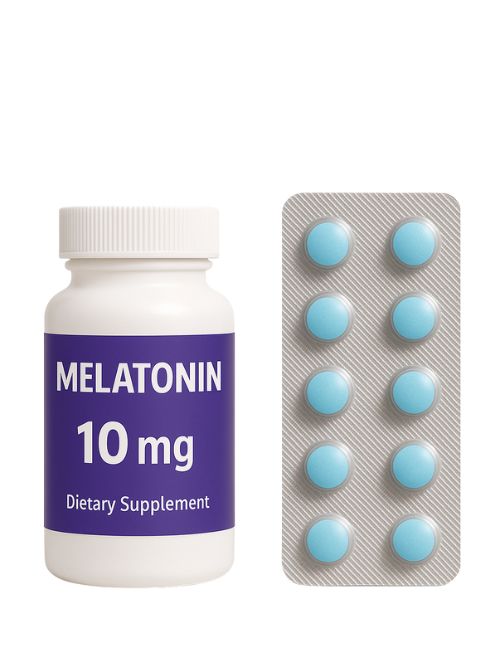
Melatonin is a hormone naturally produced by the pineal gland in the brain, primarily responsible for regulating sleep-wake cycles. As a supplement, it is often marketed as a herbal sleep aid. Unlike Zopiclone, melatonin is not a sedative but works by signaling to the body that it’s time to sleep, thus aligning the sleep cycle. It’s praised for being a more natural option with fewer side effects.
Comparing Melatonin and Zopiclone: How Do They Work?
While both aim to improve sleep, their mechanisms differ significantly. Zopiclone directly impacts the central nervous system, inducing sleep through chemical alterations. In contrast, melatonin supplements enhance the body’s natural sleep regulation process. This distinction is crucial when considering which might be more appropriate for different types of sleep issues.
- Zopiclone: Quick action, effective for severe insomnia, potential for dependency.
- Melatonin: Supports circadian rhythm, suitable for mild sleep disruptions, minimal side effects.
Evidence Supporting Melatonin as a Sleep Aid
Several studies highlight melatonin’s effectiveness in treating certain sleep disorders, especially those related to circadian rhythm disruptions. For instance, melatonin is beneficial for individuals with jet lag or shift work sleep disorder. Research indicates that melatonin can shorten sleep onset latency, increase total sleep time, and improve overall sleep quality, making it a viable alternative for some.
Limitations of Melatonin Compared to Zopiclone
Despite its natural appeal, melatonin has limitations. It may not be as potent as Zopiclone for severe insomnia cases. The effectiveness of melatonin can also vary based on dosage, timing, and individual differences in melatonin production. Additionally, while generally safe, incorrect usage can lead to side effects such as headaches, dizziness, and nausea.
Who Should Consider Melatonin Over Zopiclone?
Melatonin might be suitable for individuals seeking a more natural approach to sleep aid, particularly those with mild to moderate sleep issues or specific conditions like jet lag. It’s also a favorable option for those concerned about the dependency risks associated with prescription sleeping pills like Zopiclone. However, individuals with chronic insomnia or those who have not found relief with over-the-counter options may still benefit more from Zopiclone.
FAQ Section
Is melatonin safe for long-term use?
Melatonin is generally considered safe for short-term use. However, long-term safety data is limited. It’s advisable to consult with a healthcare provider for extended use.
Can I take melatonin and Zopiclone together?
Combining melatonin and Zopiclone is not generally recommended without medical advice due to potential interactions and increased risk of side effects.
How quickly does melatonin work?
Melatonin typically starts working within 30 minutes to an hour. However, its effectiveness can vary based on individual factors and the specific sleep issue being addressed.
Are there any natural alternatives to Zopiclone besides melatonin?
Yes, other natural sleep aids include valerian root, chamomile, and magnesium. Each has its own set of benefits and limitations.
What is the recommended dosage of melatonin?
Dosages vary, but starting with a low dose of 0.5 to 1 mg is common. It’s important to follow product guidelines or consult a healthcare provider.
Conclusion: Can Melatonin Replace Zopiclone?
While melatonin presents a promising alternative to prescription sleeping pills like Zopiclone, its suitability largely depends on the individual’s specific sleep issues and health profile. Melatonin can be an effective option for those with mild sleep disturbances or those seeking a natural remedy. However, for severe insomnia or cases where immediate and potent intervention is necessary, Zopiclone may still be the preferred choice. Ultimately, the decision should be made in consultation with a healthcare professional, considering the benefits, limitations, and individual health needs.