Understanding Pain Killers: What is Tramadol 100mg & How Does it Work?
Introduction to Tramadol as a Pain Killer
Tramadol 100mg is a widely used pain killer that provides relief from moderate to severe pain. As a synthetic opioid, it works by altering the way the brain perceives pain, making it an effective solution for many individuals suffering from discomfort. In this article, we will explore how Tramadol functions, its benefits, and its place among other pain management options.
The Mechanism of Action: How Tramadol Works
Tramadol operates by binding to specific receptors in the brain and spinal cord, which are part of the central nervous system. This binding action helps to block the transmission of pain signals, thus reducing the sensation of pain. Unlike other opioids, Tramadol also inhibits the reuptake of neurotransmitters like serotonin and norepinephrine, further enhancing its pain-relieving effects.
Comparing Tramadol to Other Pain Killers
While there are numerous pain killers available, Tramadol is unique due to its dual-action mechanism. Unlike non-opioid analgesics such as ibuprofen or acetaminophen, Tramadol’s opioid nature makes it more effective for severe pain. Additionally, it has a lower risk of dependency compared to stronger opioids like morphine, making it a preferred choice for chronic pain management.
Forms and Dosages of Tramadol
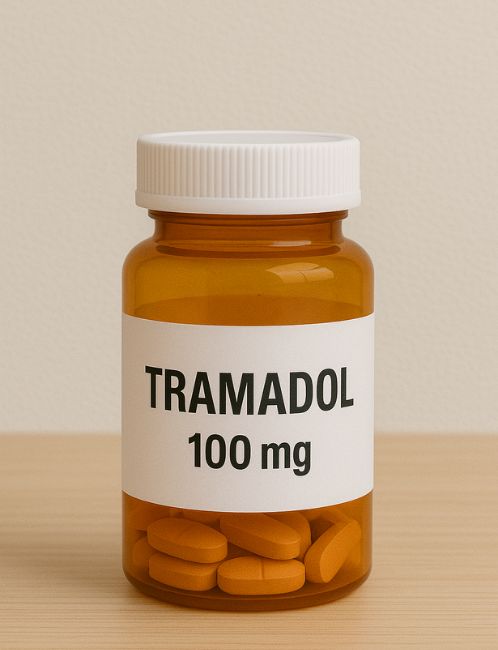
Tramadol is available in various forms, including tablets, capsules, and extended-release formulations. The 100mg dosage is commonly prescribed for its balance between efficacy and safety. Patients can also find Tramadol under brand names like JPDOL Tramadol and Tamol-X. It’s important to follow medical guidance when using Tramadol to avoid potential side effects or misuse.
Potential Side Effects of Tramadol
Like all medications, Tramadol can cause side effects. Common issues include nausea, dizziness, and constipation. More serious side effects might include respiratory problems or allergic reactions. Patients should monitor their response to the medication and report any adverse effects to their healthcare provider promptly.
Tramadol vs. Tapentadol: A Comparison
Both Tramadol and Tapentadol are used to treat pain, but they have different chemical structures and mechanisms. Tapentadol is considered more potent and works faster, but it may have a higher risk of side effects. Choosing between these medications should be based on a doctor’s recommendation, considering the patient’s specific condition and medical history.
FAQs About Tramadol and Pain Management
What are the primary uses of Tramadol?
Tramadol is primarily used to treat moderate to severe pain, often following surgery or injury. It is also prescribed for chronic conditions such as arthritis or fibromyalgia.
Is Tramadol addictive?
While Tramadol has a lower risk of addiction compared to other opioids, there is still potential for dependency if not used as directed. It’s crucial to follow the prescribed dosage and duration.
Can Tramadol be used for long-term pain management?
Yes, Tramadol can be part of a long-term pain management plan, but it requires regular monitoring by a healthcare provider to avoid dependency and manage any side effects.
How should Tramadol be stored?
Tramadol should be stored in a cool, dry place, away from direct sunlight and out of reach of children. Proper storage helps maintain the medication’s efficacy and safety.
Are there any interactions with other medications?
Tramadol can interact with other medications, including antidepressants and MAO inhibitors. It’s essential to inform your doctor about all medications and supplements you are taking.
Conclusion: Making Informed Choices About Pain Killers
Tramadol 100mg serves as a potent option among pain killers, offering effective relief for those dealing with significant discomfort. Its unique mechanism and reduced addiction potential make it a valuable tool in pain management. However, like all medications, it requires careful use under medical supervision. By understanding its functions, benefits, and risks, patients can make informed decisions and achieve better pain control, ultimately enhancing their quality of life.