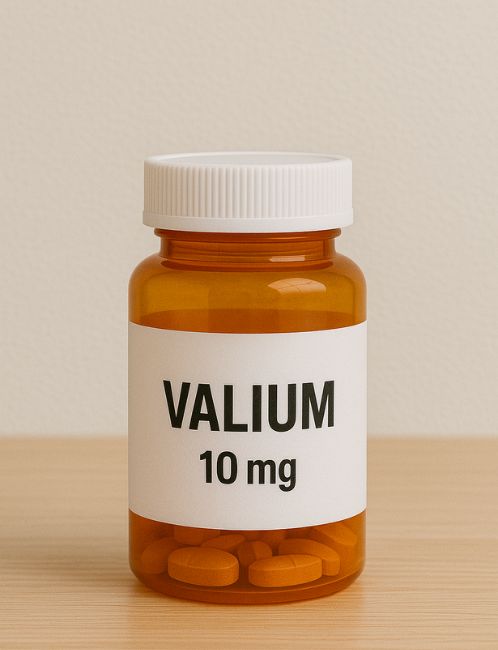
Anxiety Relief: Valium (Diazepam) 10mg Guide
In today’s fast-paced world, anxiety has become a common concern for many. Fortunately, medications like Valium (Diazepam) offer effective anxiety relief. This comprehensive guide explores Valium’s uses, side effects, and legal considerations in the UK, providing insights into how it can be a part of your anxiety management strategy.
What is Valium (Diazepam)?
Valium, generically known as Diazepam, is a medication belonging to the benzodiazepine class. It’s widely used for its calming effects on the brain and nerves. Known by brand names such as Bensedin and Accord Diazepam, Valium is prescribed for various conditions, including anxiety, muscle spasms, and seizures.
How Does Valium Work?
Valium works by enhancing the effects of a neurotransmitter called gamma-aminobutyric acid (GABA) in the brain. This action produces a calming effect, making it effective for anxiety relief. It helps reduce feelings of nervousness, tension, and agitation, allowing individuals to function more comfortably in daily life.
Common Uses of Valium
Valium is versatile and prescribed for several medical conditions:
- Anxiety Disorders: Valium is often used to manage symptoms of anxiety and panic attacks.
- Muscle Spasms: It helps in relieving muscle tension and spasms.
- Seizure Disorders: As an anticonvulsant, Valium can be part of a treatment plan for epilepsy.
- Alcohol Withdrawal: It aids in managing withdrawal symptoms during detoxification.
Dosage and Administration
The typical dosage for Valium varies based on the condition being treated and the individual’s response to the medication. For anxiety relief, the usual adult dosage is 2-10mg taken 2-4 times daily. However, it’s crucial to follow a healthcare provider’s prescription to avoid dependency and side effects.
Potential Side Effects
Like all medications, Valium can cause side effects. While many people experience no or minor effects, some may encounter:
- Drowsiness: A common side effect that can affect concentration and alertness.
- Dizziness: Some individuals may feel lightheaded or unsteady.
- Fatigue: Tiredness or lethargy can occur.
- Muscle Weakness: A reduction in muscle strength may be noticed.
If severe side effects occur, such as difficulty breathing, confusion, or allergic reactions, immediate medical attention is necessary.
Legal Considerations in the UK
In the UK, Valium is classified as a controlled substance under the Misuse of Drugs Act 1971. It is legal to possess and use Valium with a valid prescription. However, unauthorized possession, supply, or production is illegal and can lead to serious legal consequences.
Alternatives to Valium
For those seeking anxiety relief without benzodiazepines, several alternatives are available:
- Cognitive Behavioral Therapy (CBT): A non-medical approach to managing anxiety.
- Selective Serotonin Reuptake Inhibitors (SSRIs): A class of antidepressants often used for anxiety.
- Herbal Remedies: Options like valerian root or chamomile may provide relief for some.
Conclusion
Valium (Diazepam) offers significant benefits for individuals seeking anxiety relief. While effective, it requires careful management due to its potential for dependency and side effects. Understanding its uses, side effects, and legal implications in the UK can empower patients to make informed decisions about their treatment options. Always consult with a healthcare provider to determine the best approach for your specific needs.
FAQs
Is Valium addictive?
Yes, Valium can be habit-forming, especially with long-term use. It’s essential to follow a doctor’s guidance to minimize the risk of addiction.
Can I drive after taking Valium?
Valium may impair your ability to drive or operate machinery. It’s advisable to avoid these activities until you know how the medication affects you.
What should I do if I miss a dose?
If you miss a dose, take it as soon as you remember. If it’s close to your next dose, skip the missed dose and resume your regular schedule. Do not double the dose to catch up.
Are there any interactions with other medications?
Valium can interact with other medications, including antidepressants, antacids, and certain painkillers. Always inform your doctor about all medications and supplements you are taking.