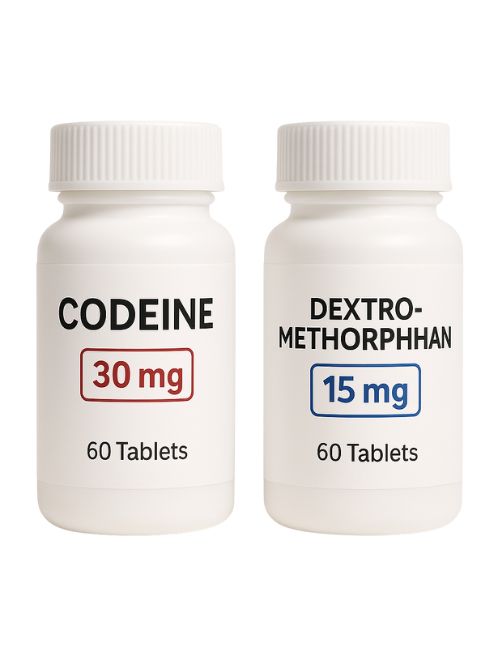
Codeine vs Dextromethorphan: Which Is Better for Cough?
Understanding Cough Syrup: An Overview
Cough syrup is a common over-the-counter remedy used to relieve symptoms of a cough. It is designed to soothe the throat, reduce cough reflexes, and make breathing easier. Two of the most popular active ingredients found in these syrups are Codeine and Dextromethorphan (DXM). Understanding the differences between these ingredients can help you choose the right cough syrup for your needs.
What Is Codeine?
Codeine is an opioid used to treat mild to moderate pain and cough. It works by changing the way the brain and nervous system respond to pain and by decreasing the activity in the part of the brain that causes coughing. As a narcotic, codeine requires a prescription in many places due to its potential for addiction and misuse.
What Is Dextromethorphan?
Dextromethorphan, often abbreviated as DXM, is a non-opioid cough suppressant. It acts on the brain to suppress the cough reflex and is found in many over-the-counter cough syrups. Unlike codeine, DXM is not addictive, which makes it a preferred choice for many users and healthcare providers.
Benefits and Risks of Codeine
Codeine is effective for treating severe coughs associated with respiratory conditions. However, its use comes with risks such as drowsiness, constipation, and potential addiction. Prolonged use can lead to dependence, and overdose can be life-threatening. Therefore, it is crucial to use codeine under medical supervision.
Benefits and Risks of Dextromethorphan
DXM is widely available and generally safe when used as directed. It effectively suppresses cough without the risk of addiction associated with opioids. However, high doses of DXM can lead to side effects such as dizziness, confusion, and even hallucinations. Some individuals misuse DXM recreationally, which can pose serious health risks.
DXM vs Codeine: Which Is More Effective?
The effectiveness of cough syrup depends on the severity and type of cough. Codeine is often considered more potent for severe coughs, while DXM is suitable for mild to moderate coughs. Consulting with a healthcare provider can help determine which option is best for your specific symptoms.
Choosing the Right Cough Syrup for You
When choosing between codeine and DXM, consider factors such as your medical history, the severity of your cough, and any other medications you may be taking. It is always advisable to consult a healthcare provider, especially if you are pregnant, nursing, or have underlying health conditions.
Side Effects and Precautions
- Codeine: May cause drowsiness, constipation, nausea, and potential dependency.
- Dextromethorphan: Possible side effects include dizziness, nausea, and confusion at high doses.
Both medications should be used with caution, and it is important to follow the dosing instructions provided by your healthcare provider or pharmacist.
FAQ: Common Questions About Cough Syrup
What should I consider when choosing a cough syrup?
Consider the active ingredients, potential side effects, your medical history, and consult with a healthcare provider for the best recommendation.
Can I use codeine and DXM together?
It is not recommended to use both simultaneously without medical advice, as this can increase the risk of side effects and complications.
Is codeine cough syrup available over the counter?
In many places, codeine cough syrup requires a prescription due to its potential for misuse and addiction.
Are there any natural alternatives to codeine and DXM?
Yes, natural remedies such as honey, ginger, and herbal teas can sometimes help alleviate mild coughs. However, their effectiveness may vary.
How long can I use cough syrup safely?
Follow the instructions on the label or those provided by your healthcare provider. Prolonged use of any medication should be discussed with a healthcare professional.
Conclusion: Making the Right Choice
Choosing between codeine and dextromethorphan involves weighing the benefits and risks of each. Codeine is a powerful option for severe coughs but comes with a higher risk of dependency and side effects. DXM offers a safer profile for mild to moderate coughs with fewer side effects. Always consult with a healthcare professional to make an informed decision based on your specific needs and medical history. By understanding these options, you can effectively manage your symptoms and improve your quality of life.