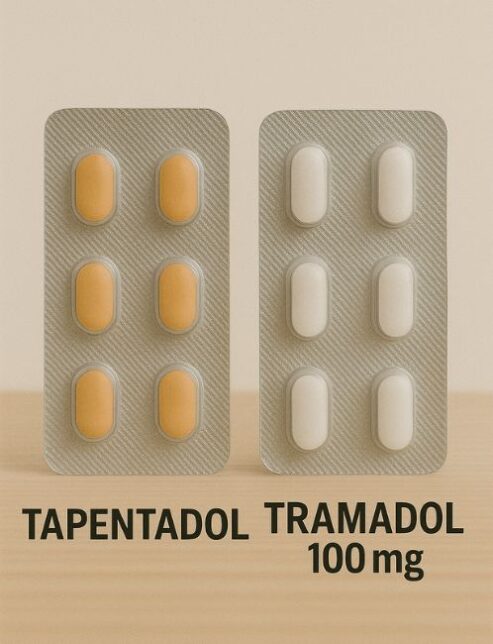
Pain Killers: Tapentadol vs Tramadol – Which is Better?
When it comes to managing pain, choosing the right medication is crucial. Pain killers like Tapentadol and Tramadol are commonly prescribed, but how do they compare? This article delves into the differences, benefits, and potential side effects of these two medications, helping you make an informed decision.
Understanding Pain Killers: Tapentadol and Tramadol
Both Tapentadol and Tramadol are classified as opioid painkillers, used to treat moderate to severe pain. They work by altering the way the brain perceives pain, providing relief for individuals suffering from various conditions.
Tapentadol: An Overview
Tapentadol, often found in Tapdol 100mg, is a relatively new medication that offers dual-action pain relief by targeting both the opioid receptors and inhibiting norepinephrine reuptake. This dual mechanism makes it a versatile option for pain management.
Tramadol: A Closer Look
Tramadol, available in Tramwin 50mg, is a well-established painkiller that works primarily on the central nervous system to block pain signals. Its effectiveness and affordability make it a popular choice among healthcare providers.
Comparing Effectiveness: Tapentadol vs Tramadol
Studies suggest that Tapentadol might offer superior pain relief compared to Tramadol due to its dual-action mechanism. However, individual responses can vary. For some patients, Tramadol may provide adequate relief with fewer side effects.
Side Effects and Considerations
Both medications have potential side effects. Common side effects include nausea, dizziness, and constipation. Tapentadol may cause fewer gastrointestinal issues compared to Tramadol, but it can still lead to dependency and withdrawal symptoms.
- Tapentadol Side Effects: Drowsiness, headache, potential for dependency.
- Tramadol Side Effects: Dry mouth, fatigue, risk of serotonin syndrome.
Dosage and Administration
For effective pain management, the dosage of Tapentadol and Tramadol must be tailored to the individual’s needs. Tapdol 100mg is typically administered every 4 to 6 hours, while Tramwin 50mg may be taken every 4 to 6 hours, depending on the severity of the pain and patient response.
Drug Interactions and Precautions
Both Tapentadol and Tramadol can interact with other medications, including antidepressants and other opioids, increasing the risk of serious side effects. Patients should always inform their healthcare provider of all medications they are taking to avoid potential interactions.
FAQ: Common Questions About Pain Killers
What are the main differences between Tapentadol and Tramadol?
The primary difference lies in their mechanism of action. Tapentadol targets both opioid receptors and norepinephrine reuptake, while Tramadol focuses mainly on the opioid receptors.
Is Tapentadol stronger than Tramadol?
Many studies indicate that Tapentadol may offer stronger pain relief due to its dual-action mechanism, but individual responses can vary.
Can I switch from Tramadol to Tapentadol?
Switching medications should always be done under the guidance of a healthcare provider to ensure safe and effective pain management.
Are there any long-term effects of using these pain killers?
Long-term use of opioid painkillers can lead to dependency and tolerance, necessitating careful management and regular consultation with a healthcare provider.
Conclusion: Choosing the Right Painkiller
Deciding between Tapentadol and Tramadol requires careful consideration of the individual’s specific pain management needs, potential side effects, and existing medical conditions. Consultation with a healthcare provider is crucial to determine the most suitable option. Both medications offer effective pain relief, but the choice ultimately depends on personal health circumstances and professional medical advice.